

Reducing Engine Emissions: Effective Strategies
Engines power much of the world’s transportation and machinery, but they also contribute significantly to air pollution. Reducing engine emissions is essential for cleaner air, healthier communities, and a sustainable future. This article explores practical and effective strategies to lower vehicle emissions and improve engine performance while minimizing environmental impact.
Understanding Lower Vehicle Emissions and Their Importance
Lower vehicle emissions mean fewer harmful gases released into the atmosphere. These gases include carbon monoxide (CO), nitrogen oxides (NOx), hydrocarbons (HC), and particulate matter (PM). They contribute to smog, acid rain, respiratory problems, and climate change.
Governments worldwide have introduced regulations to limit emissions from vehicles and engines. These rules encourage manufacturers and users to adopt cleaner technologies and fuels. Understanding how emissions are produced helps in identifying the best ways to reduce them.
Key Sources of Engine Emissions
Fuel combustion: Burning gasoline or diesel produces pollutants.
Incomplete combustion: Leads to higher hydrocarbon and carbon monoxide emissions.
Engine wear and poor maintenance: Increases emissions due to inefficient operation.
Cold starts: Engines emit more pollutants when cold.
By addressing these sources, it is possible to significantly lower vehicle emissions and improve air quality.

Technologies and Practices to Achieve Lower Vehicle Emissions
Several technologies and maintenance practices can help reduce emissions from engines. These solutions range from simple maintenance to advanced engineering.
1. Regular Engine Maintenance
Keeping an engine in good condition is one of the easiest ways to reduce emissions. This includes:
Changing oil and filters regularly.
Checking and replacing spark plugs.
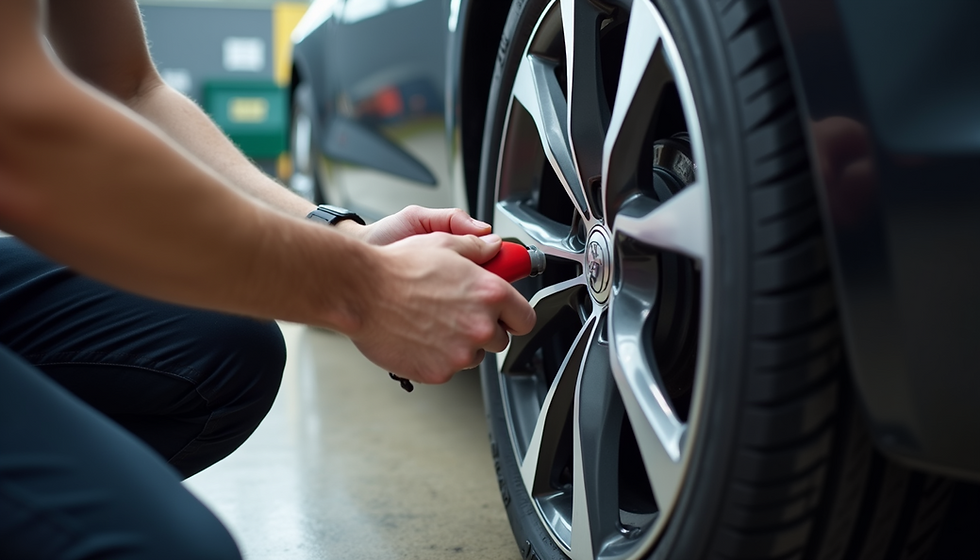
Ensuring proper tire pressure.
Cleaning or replacing air filters.
Well-maintained engines burn fuel more efficiently, producing fewer pollutants.
2. Use of Cleaner Fuels and Additives
Switching to cleaner fuels such as low-sulfur diesel, biodiesel, or ethanol blends can reduce harmful emissions. Fuel additives such as DurAlt® Fuel Conditioner can also improve combustion efficiency and reduce deposits inside the engine.
3. Advanced Engine Technologies
Modern engines incorporate technologies designed to lower emissions:
Fuel injection systems: Provide precise fuel delivery for better combustion.
Turbocharging: Increases engine efficiency and power without extra fuel consumption.
Exhaust gas recirculation (EGR): Reduces nitrogen oxide emissions.
Catalytic converters: Convert harmful gases into less harmful substances.
4. Hybrid and Electric Vehicles
Hybrid vehicles combine internal combustion engines with electric motors to reduce fuel consumption and emissions. Fully electric vehicles produce zero tailpipe emissions, offering the cleanest option for transportation.

How can you reduce engine pollution?
Reducing engine pollution involves both technological solutions and behavioral changes. Here are some actionable steps:
Drive Smarter
Avoid rapid acceleration and hard braking.
Use cruise control on highways.
Reduce idling time.
Plan trips to combine errands and avoid unnecessary driving.
Maintain Your Vehicle
Follow the manufacturer’s maintenance schedule.
Use recommended fuel types.
Keep tires properly inflated.
Address engine warning lights promptly.
Use a proven fuel additive that reduces emissions and increases fuel economy. DurAlt® Fuel Conditioner is one such additive with a money-back guarantee and a 40-year history of improving performance in all gas and diesel engines.
Upgrade or Retrofit
Consider upgrading to newer, cleaner engines if possible.
Retrofit older engines with emission control devices like diesel particulate filters.
Use Alternative Transportation
Carpool, bike, or use public transit when possible.
Support infrastructure for electric vehicles and charging stations.
By adopting these habits and technologies, individuals and businesses can contribute to cleaner air and a healthier environment.

The Role of Policy and Industry in Lowering Vehicle Emissions
Government policies and industry innovations play a crucial role in reducing engine emissions on a large scale.
Emission Standards and Regulations
Governments set emission limits for new vehicles and engines. These standards push manufacturers to develop cleaner technologies and improve fuel efficiency.
Incentives and Subsidies
Financial incentives encourage consumers to buy low-emission vehicles or retrofit older ones. Subsidies for electric vehicles and renewable fuels also promote cleaner transportation.
Research and Development
Automakers invest heavily in R&D to create engines that meet stricter emission standards. Innovations include:
Advanced combustion techniques.
Lightweight materials to improve fuel economy.
Integration of electric powertrains.
Public Awareness Campaigns
Educating the public about the benefits of reducing emissions and how to do it effectively helps drive change at the community level.
Embracing Sustainable Practices for a Cleaner Future
Reducing engine emissions is a shared responsibility. By combining technology, maintenance, smart driving, and supportive policies, we can make significant progress toward cleaner air.
For those looking to take immediate action, using products and methods that help reduce engine emissions can be a practical step. These solutions improve combustion efficiency and lower pollutants without major engine modifications.
Together, these strategies create a path toward sustainable transportation and healthier living environments.
By understanding and applying these effective strategies, everyone can contribute to lowering vehicle emissions and protecting the planet for future generations.


Comments